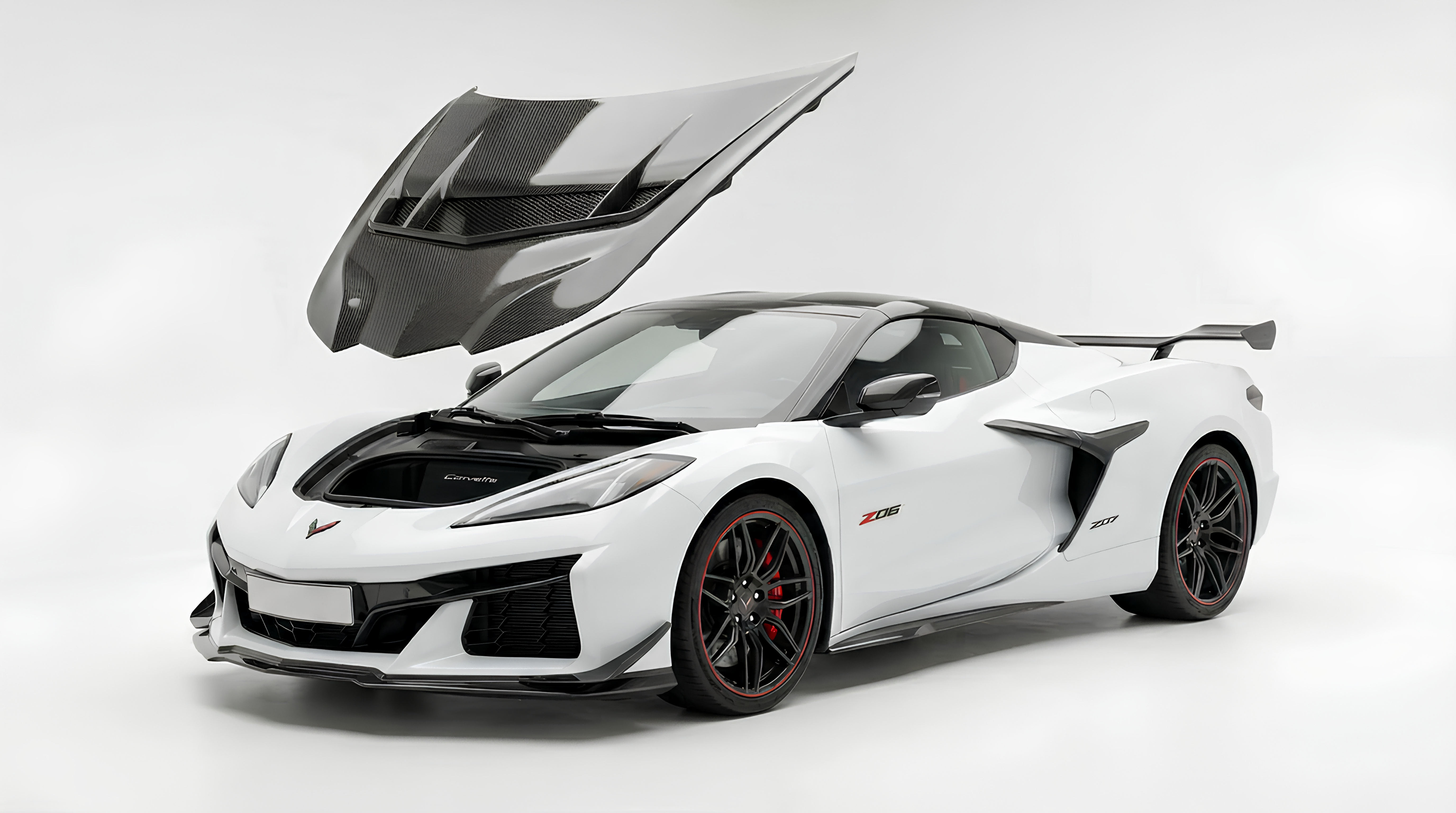
In the world of high-performance automotive manufacturing, carbon fiber is more than just a material; it is a statement of lightweight engineering, structural integrity, and elite aesthetics. Whether it is a spoiler, side skirt, or a complex rear diffuser, the quality of the final component depends entirely on its origin: The Mold!
For brands and manufacturers looking to produce Carbon Fiber Body Kit Molds, selecting the right tooling strategy is the single most important variable in determining cost, lead time, and fitment precision.
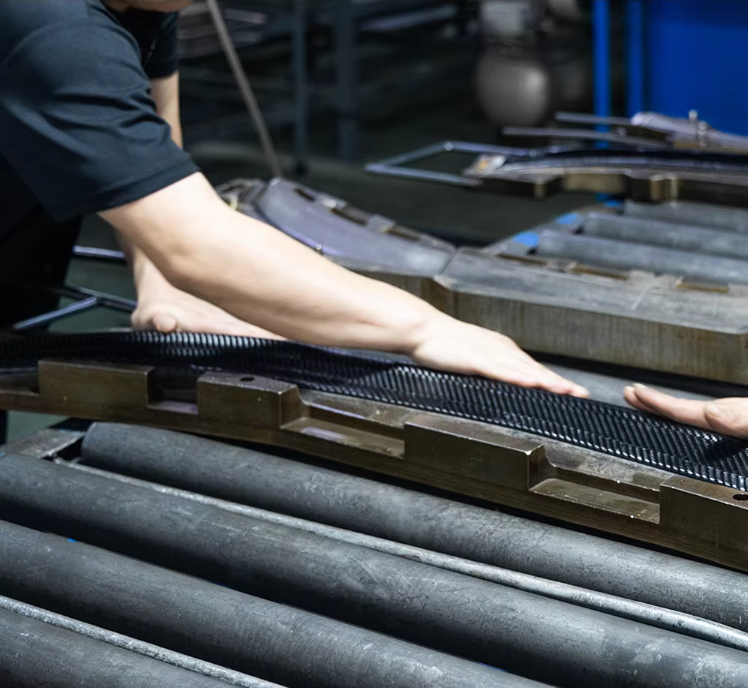
1. Dry Carbon Fiber Tooling: The Soul of High-End Production
Before choosing a mold material, one must understand the necessity of Dry Carbon Fiber Tooling . Unlike traditional "Wet Carbon" methods, dry carbon (Prepreg) requires curing under high temperature and intense pressure.
Prepreg Carbon Fiber Molds must be engineered to survive the grueling cycles of Autoclave Molds. If the Coefficient of Thermal Expansion (CTE) of the mold does not match the carbon fiber material, the part will suffer from internal stress, leading to warping or poor OEM fitment. High-quality Custom Carbon Fiber Tooling is the only way to ensure that a part fits a vehicle as perfectly as the original factory trim.
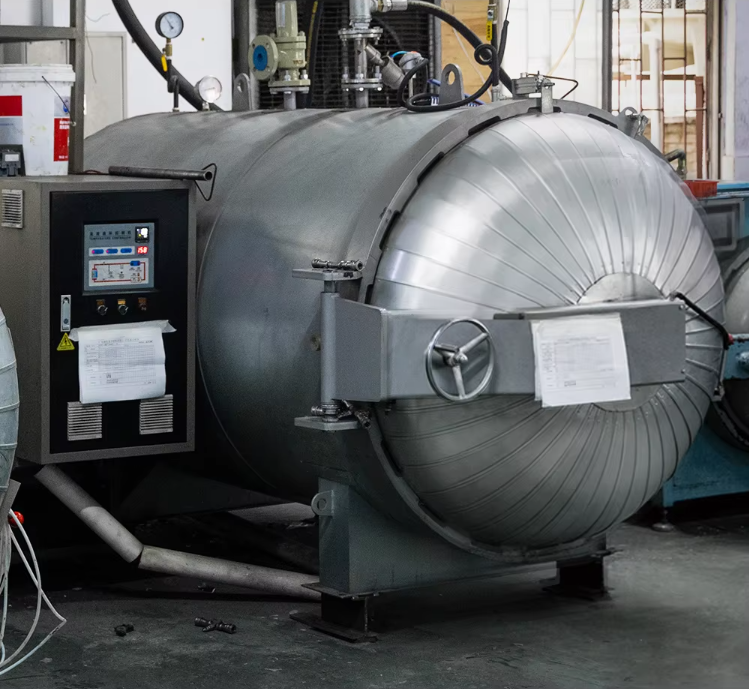
(Auto-ClaveMold Pressing Machine)
2. Mold Types Explored: From Prototyping to Mass Production
There are three primary paths when developing Carbon Fiber Body Kit Molds, depending on your production volume and budget:
🟢A. Metal Molds: The Precision Standard (Aluminum & Steel)
Aluminum Molds for Carbon Fiber and high-grade steel molds are the "Gold Standard" for serious manufacturers.
Key Advantages:
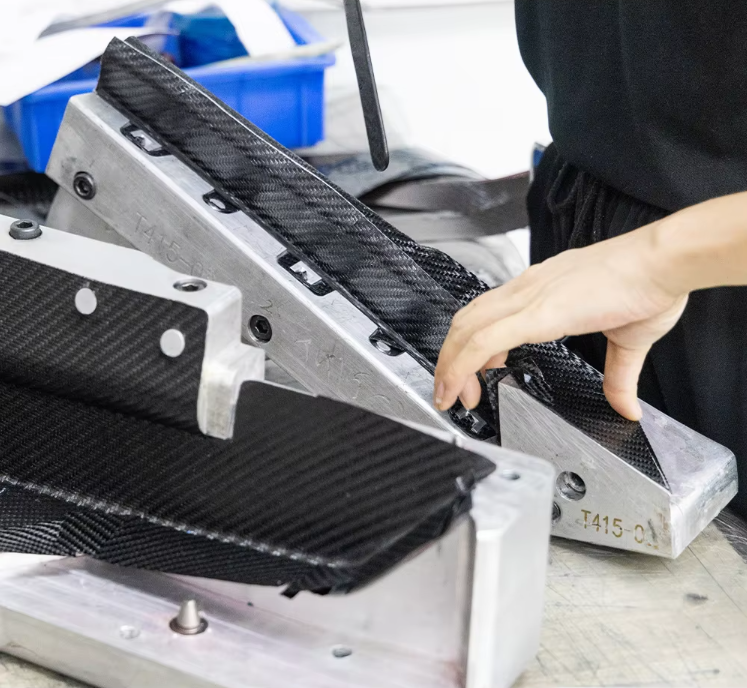
✅Extreme precision: Using 5-axis CNC machining ensures tolerances are kept within ±0.05 mm, guaranteeing a 'snap-on' fit.
✅Thermal efficiency: Aluminium has excellent thermal conductivity, ensuring the prepreg cures evenly within autoclave moulds.
✅Durability: Steel moulds last for over 2,000 cycles, while aluminium supports 500–1,000 units.
✅The trade-off is a high upfront investment of $8k–$50k+ and longer lead times for CNC machining.
🟢B. Composite Molds: The Mid-Volume Specialist
For OEM/ODM Carbon Fiber Molds with mid-range production runs (50–300 units per year), composite tooling is the most balanced option.
Cost-Effective: Typically 30-40% of the cost of metal molds.
CTE Matching: By using carbon fiber to make the mold itself, the mold and the part expand and contract at the same rate, reducing the risk of deformation.
🟢C. Rapid Prototyping Molds (3D Printed/Resin)
These moulds are ideal for custom carbon fiber tooling intended for one-off show cars or racing prototypes (1–50 units). Although they are fast and cheap to produce, they lack the structural integrity required for sustained high-pressure autoclave use.
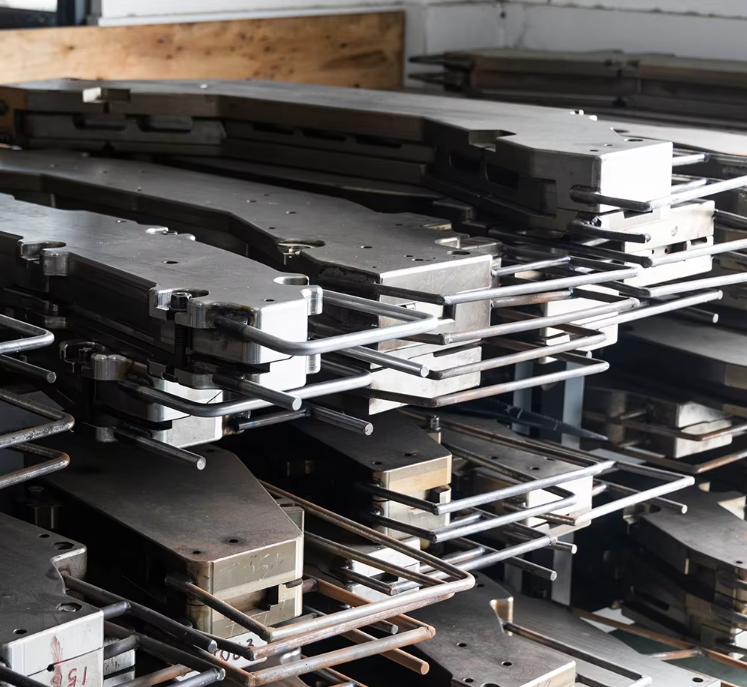
3. High-Quality Mold Design: What to Look For
Choosing the right Carbon Fiber Mold Design involves more than just picking a material. Successful production requires:
◼️Draft Angles: Proper angles to ensure the part can be removed without damaging the "Class-A" surface.
◼️Integrated Mounting Points: High-quality OEM/ODM Carbon Fiber Molds incorporate mounting tabs directly into the tool, eliminating the need for messy glue-on brackets later.
◼️Surface Finish: The mold must be polished to a mirror finish to ensure the final carbon fiber part requires zero post-processing after it leaves the autoclave.
4. How to Identify a High-Quality Carbon Fiber Part
If you are a distributor or an enthusiast, how can you tell if a part was made from premium Dry Carbon Fiber Tooling?
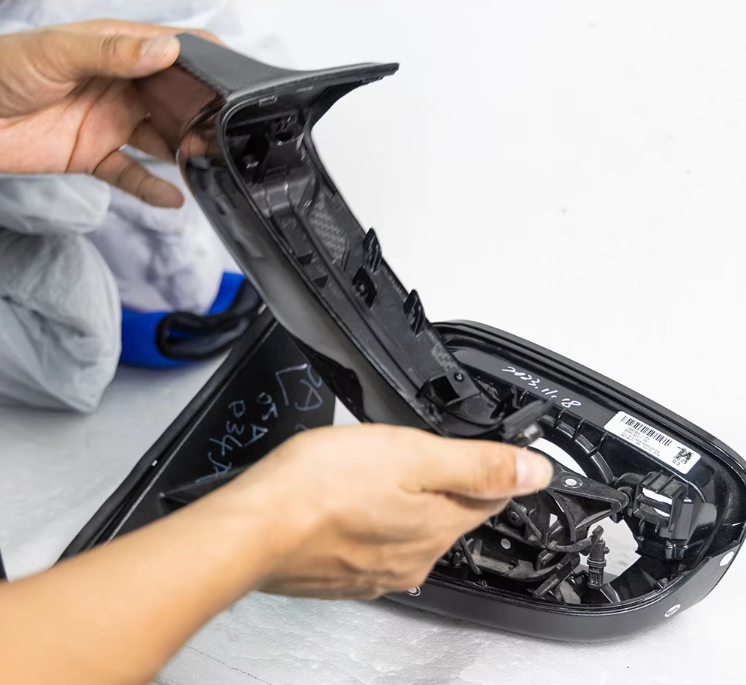
1. Weave Consistency: Look at the corners. If the weave is straight and undistorted, the mold design and layup process are top-tier.
2. Backside Texture: Parts from Prepreg Carbon Fiber Molds are smooth on both sides (or have a clean, non-porous back), whereas wet carbon parts are often rough and resin-heavy on the reverse.
3. Weight: A part made via high-pressure tooling will be significantly lighter and stiffer than its cheaper counterparts.
Conclusion: Choose Performance, Choose CCO Carbon
At CCO, we are dedicated to making the 'supercar standard' more accessible. By using aluminium molds for carbon fiber and advanced autoclave molds technology, we produce parts that were once the preserve of brands like McLaren, Porsche, and Ferrari, but at an affordable price.
We believe that custom carbon fiber tooling is the bridge between a 'good' part and a 'perfect' part. Whether you are looking for OEM/ODM carbon fiber moulds or a bespoke body kit, our focus remains on three pillars: Innovation, quality and value.